Trymaisia NGO

Return to yourself

Psychosocial support for Ukrainian veterans after concussion, traumatic brain injury and combat stress. 6 months of structured support alongside people who understand.

Safe · voluntary · confidential · free of charge

About us

Who we are.

Trymaisia NGO — psychosocial support and accompaniment for veterans after concussion, traumatic brain injury and combat stress. We complement medical care — we do not replace it. Our strength is a team of women professionals covering the medical, psychological and military domains, each understanding this path from the inside.

Combat stress

Veterans and active-duty service members: anxiety, insomnia, irritability, difficulties returning to civilian rhythm.

After captivity

Released from captivity: consequences of prolonged isolation and ill-treatment, restoring trust and a sense of safety. A separate, cautious pace.

After concussion

Blast exposure, TBI: headaches, tinnitus, memory, attention and balance problems. Separate neurological accompaniment.

How it works

6 months of support. One active, five supportive.

The first month is an intensive phase of daily accompaniment (42 days). Then a gentler rhythm: living diary at your own pace, mentor once a week, physician once a month.

Month 1 · Active phase (42 days)

The most intensive period of accompaniment. Mentor is present daily via short 10–15 minute check-ins. Physician — weekly. Living diary — daily, at your own pace. Work with what is visible immediately: sleep, feeling of the body, returning to the «here and now». First noticeable changes usually appear right here.

Month 2 · Stabilization

Rhythm shifts to supportive: physician once a month, mentor once a week. Practices remain — short daily steps at a comfortable pace. Work with triggers and with whatever interferes with day-to-day functioning.

Month 3 · Attention and memory recovery

Practices for cognitive functioning — attention, memory, ability to plan the day. Living diary continues. Curator and mentor monitor progress together with the participant.

Month 4 · Emotional regulation

Work with emotional fluctuations and restoring access to the full range of feelings. Interim review with the physician. Grounding in oneself — not through willpower but through established daily rhythms.

Month 5 · Inner grounding

Identity after what was experienced — not «as it was», but what is now and where to move next. Dosed return to social tasks: family, everyday matters, first steps back to work.

Month 6 · Return

Final review together with the physician. Support plan for what comes next: which practices remain in life, how to recognize signals, when to come back for support. A warm exit from the program.

How the methodology works — detailed

The program is educational, methodological, psychosocial and supportive in character. It is not psychotherapy, not psychiatric treatment and not medical rehabilitation — we complement professional care, we do not replace it.

In our work we take into account approaches described in recognized international frameworks for combat stress (VA/DoD, NICE, ISTSS) — specifically regarding stabilization, sleep hygiene, psychoeducation and the importance of daily support. Clinical methods that these protocols recommend as treatment (trauma-focused psychotherapy — CPT, PE, EMDR) we do not conduct; when needed, the person receives them from a qualified specialist, and our accompaniment runs alongside.

Participation is voluntary and confidential. Initial assessment is conducted by a psychiatrist — who determines whether the format is suitable and refers further if needed. Mentors do not diagnose and do not treat; they work under the supervision of the physician and, at any signs of risk, immediately hand the situation over to the specialist.

Support team

Three people alongside you.

Not alone in the struggle, not just a «specialist once a week». A consistent structure where each role is clear and bounded.

Physician

Conducts clinical assessment, determines the participant's pathway, monitors state and refers to specialized professionals when needed.

Mentor

A living daily support alongside you. Not a therapist. Works under the physician's supervision and, at any signs of risk, immediately hands the situation over to the specialist.

Living diary

Not a report and not a check. A space where you write what is, at your own pace. Supports reflection and integration of experience.

Team

Three professionals.

Each covers her own domain — medical, psychological, military and organizational. Each understands this path from the inside.
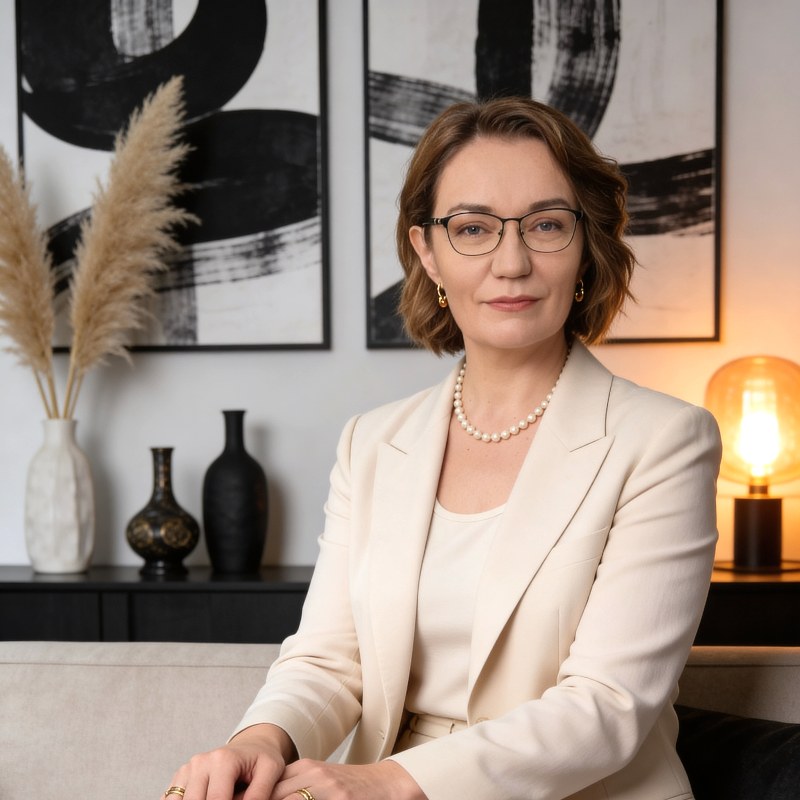
Ruslana Gurskaia, neurologist, PhD (Medicine), author of the Brain Recovery Protocol methodology

Ruslana Gurskaia

Neurologist · PhD (Medicine)

Over 25 years of work with cognitive recovery. Author of the Brain Recovery Protocol methodology.
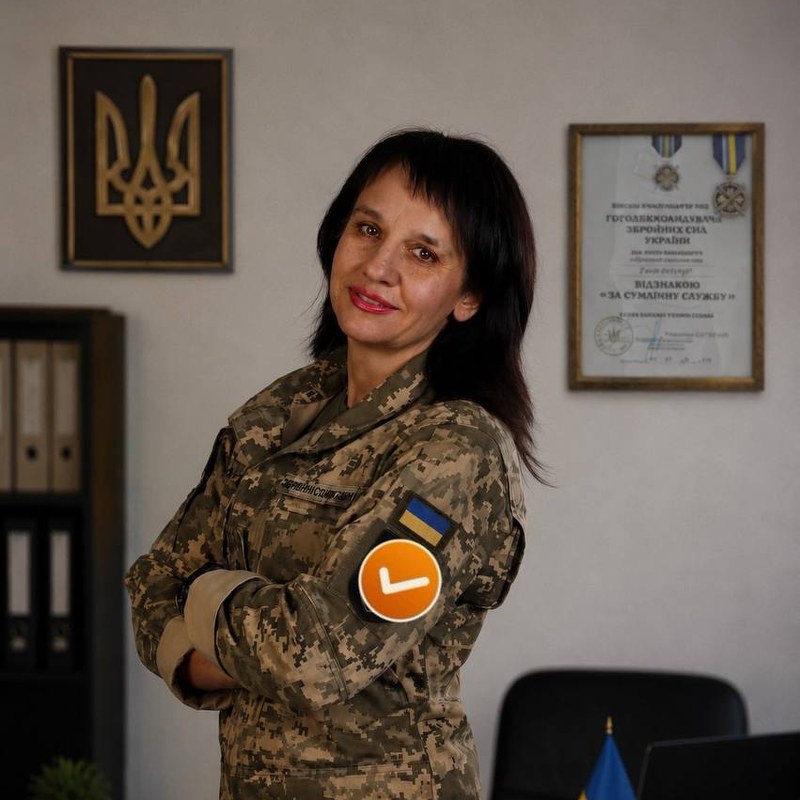
Iryna Luhova, military psychologist with military service experience

Iryna Luhova

Military psychologist

Military service experience. Keeps the program grounded in the reality of military service.
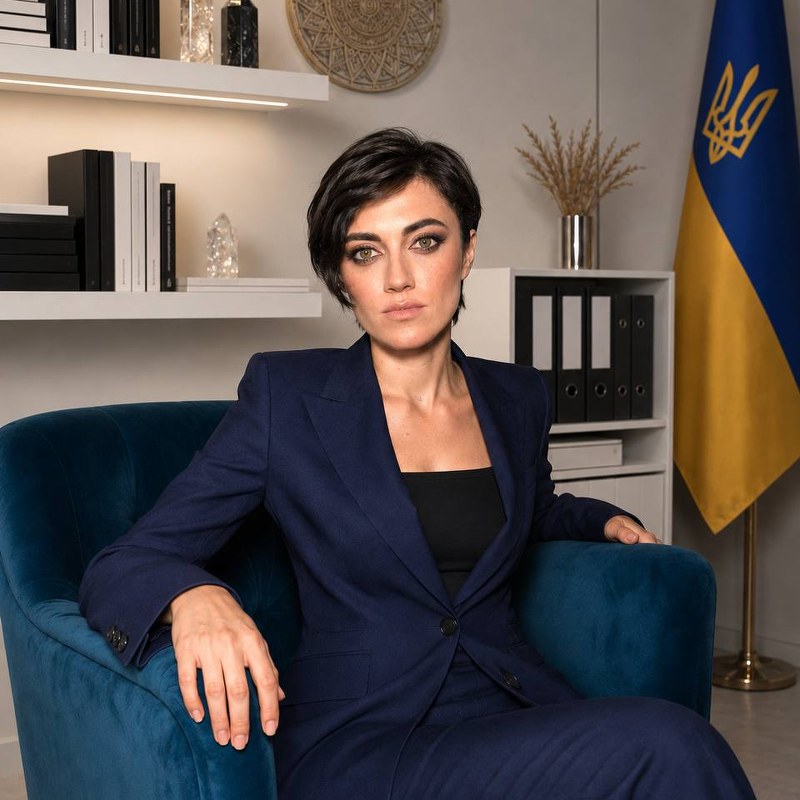
Larysa Saakian, executive director of Trymaisia NGO

Larysa Saakian

Executive director

Organization, partnerships, development. International experience in management and community building.

Frequently asked

FAQ.

Is it free?

Yes, participation in the pilot group is free of charge.

How long does the program last?

The full program is 6 months of support. We are currently recruiting a focus group for the first, intensive phase — 42 days of daily accompaniment.

Is this treatment?

No. This is psychosocial support that complements medical care.

Who will see my answers?

Your answers are confidential. Only the physician who conducts the assessment sees them, in order to select the right support. We do not share them with third parties. Details in the privacy notice.

Is the program delivered in English?

The program is delivered in Ukrainian. The intake questionnaire, screening conversation, mentor contacts and physician reviews are all conducted in Ukrainian. For partnership and media inquiries in English, please contact us by email below.

Safety & voluntariness

This is care, not a pass/fail screen.

The intake questionnaire is a selection tool, not a medical diagnosis and not a substitute for consultation with a physician or psychotherapist.

Participation is fully voluntary. You may skip any question that causes significant distress.

If we identify a high risk, we will recommend individual support instead of the group format. This is care, not refusal.

Your answers are confidential and used only for selection into the program and to contact you.